Where the World Meets the Cup: How Global Culinary Traditions Are Reshaping Specialty Coffee in America
For much of the twentieth century, American coffee culture existed in relative isolation. The diner counter, the drip machine, the paper cup—these were the dominant symbols of a nation that consumed coffee in volume rather than with intention. Then came the specialty movement, which elevated the bean itself, championing traceability, terroir, and roast precision. That was a significant leap. But something even more remarkable is happening now.
Across the country, a cohort of visionary roasters, baristas, and culinary entrepreneurs is reaching beyond the coffee world entirely—borrowing philosophy, ritual, and technique from some of the most storied food cultures on earth. Japanese tea ceremony. Italian espresso bar tradition. Middle Eastern and North African coffee ritual. These are not mere aesthetic flourishes. They represent a fundamental rethinking of what coffee can be when it is treated as a living cultural artifact rather than simply a beverage.
The Japanese Influence: Silence, Precision, and Presence
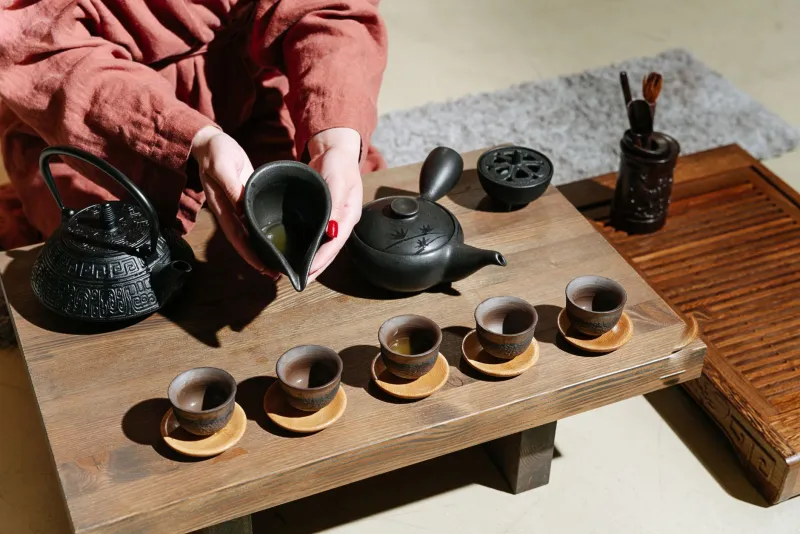
Of all the culinary traditions currently shaping specialty coffee in America, perhaps none has proven more transformative than the Japanese concept of ma—the deliberate, meaningful use of space and pause. In the Japanese tea ceremony, every gesture carries weight. The folding of a cloth, the angle of a ladle, the temperature of water drawn from a specific vessel: these are not incidental details. They are the ceremony itself.
A growing number of specialty roasters and pour-over bars in cities like New York, Portland, and Los Angeles have internalized this philosophy with striking results. Preparation slows to a near-meditative pace. Water is introduced in precise spiraling pours. The brewer does not rush. The drinker does not rush. The cup, when it arrives, is accompanied by a moment of genuine anticipation—and that anticipation, it turns out, is part of the flavor.
This approach has also informed how certain roasters select and present their beans. Single-origin offerings from regions like Ethiopia's Yirgacheffe or Kenya's Kirinyaga are treated with the same curatorial reverence a Japanese tea master might extend to a prized gyokuro. Tasting notes are offered not as marketing copy but as quiet invitations to pay closer attention.
The Italian Espresso Bar: Theatre, Tempo, and Social Ritual
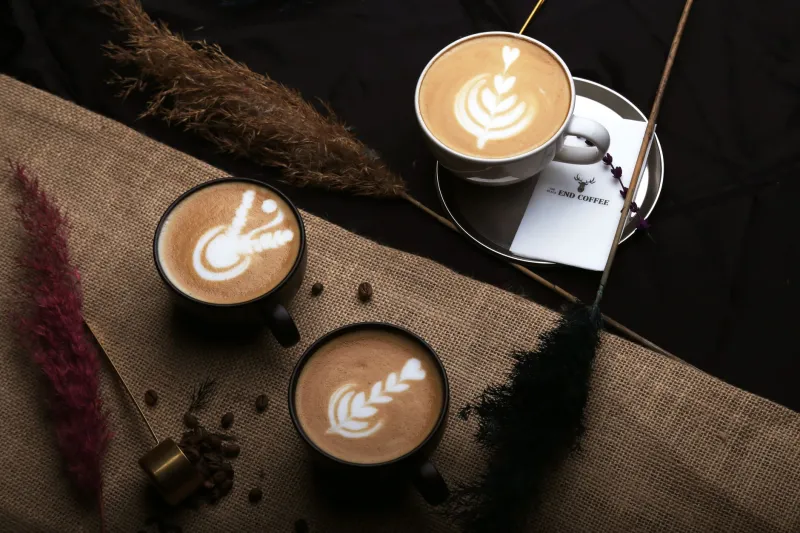
Where Japanese tradition emphasizes contemplative solitude, the Italian espresso bar is an exercise in communal energy. In Milan or Naples, the bar is a stage. The barista is a performer. The espresso is consumed standing, in under two minutes, and the entire exchange—from greeting to departure—is choreographed by decades of unwritten cultural code.
American specialty coffee has long admired Italian espresso technique, but the deeper cultural lesson—that coffee is fundamentally a social architecture—has only recently begun to take hold in a meaningful way. Forward-thinking café operators are now designing spaces and service rituals that deliberately encourage brief, high-quality human connection rather than the prolonged laptop isolation that characterized so many third-wave establishments.
For the specialty bean itself, this Italian influence has introduced a renewed appreciation for espresso-specific roast profiles that honor the body and crema development prized in Southern Italian tradition, while incorporating the fruit-forward complexity that the specialty movement has championed. The fusion is not a compromise. It is an elevation.
Middle Eastern and North African Ritual: Cardamom, Hospitality, and Time
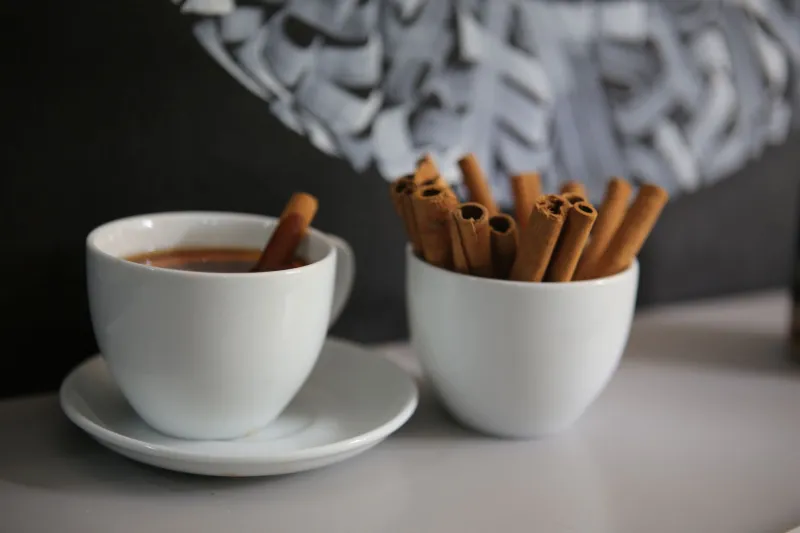
Perhaps no coffee tradition in the world is more explicitly tied to human relationship than that of the Middle East and North Africa. In Arab and Levantine cultures, coffee—often prepared with cardamom and served in small handleless cups—is an instrument of hospitality. To offer coffee is to offer belonging. To receive it is to accept a bond.
This cultural weight is finding its way into American specialty coffee in ways both subtle and direct. A number of artisan roasters are now sourcing Yemeni beans—among the most ancient and complex in the world—and presenting them in tasting formats that honor their cultural context. Cardamom, rose water, and saffron are being introduced not as gimmicks but as historically grounded companions to specific bean profiles.
The Ethiopian coffee ceremony, which involves three sequential rounds of brewing from the same grounds, each progressively lighter, is also gaining recognition as a framework for exploring how a single bean can express itself across a spectrum of concentrations. For American enthusiasts accustomed to a single preparation method, this ritual introduces an entirely new dimension of appreciation.
What Fusion Actually Means for the Serious Enthusiast
It is worth pausing to distinguish genuine culinary fusion from superficial cultural borrowing. The roasters and preparers doing this work with integrity are not simply applying foreign aesthetics to familiar products. They are engaging deeply with the philosophy behind each tradition—asking why a particular culture developed its coffee customs, what values those customs encode, and how those values might enrich the experience of a specialty bean selected and roasted with equal care.
For the discerning American enthusiast, this movement offers something genuinely valuable: a framework for experiencing coffee not merely as a product but as a point of intersection between extraordinary raw material and centuries of human wisdom about how to honor it.
At Fusion 20 Luxury Beans, this philosophy is not incidental to our identity—it is foundational. The number twenty in our name reflects the breadth of influence we draw upon: twenty culinary traditions, twenty cultural perspectives, twenty ways of understanding what a rare bean can become in the right hands. The fusion is the point.
The Future of Coffee as Experiential Art
The trajectory of this movement suggests that the next chapter of American specialty coffee will be defined less by origin exclusivity alone and more by the depth of experience constructed around exceptional beans. Roasters who understand this are already building tasting programs that function more like curated cultural journeys than simple product offerings.
For the enthusiast willing to engage on these terms, the rewards are considerable. A cup of Yemeni Haraazi prepared with the deliberate hospitality of Levantine tradition tastes different—genuinely different—from the same beans brewed in haste. A single-origin Ethiopian natural processed through the unhurried lens of Japanese ceremony reveals layers that speed would have obscured.
The world's great culinary traditions have always known that how you eat and drink matters as much as what you eat and drink. Specialty coffee, at its finest, is finally learning the same lesson—and the cup, as a result, has never been more extraordinary.